November 18, 2026
How to Use Customer Feedback to Improve Your Cafe
By @messiahbljt691

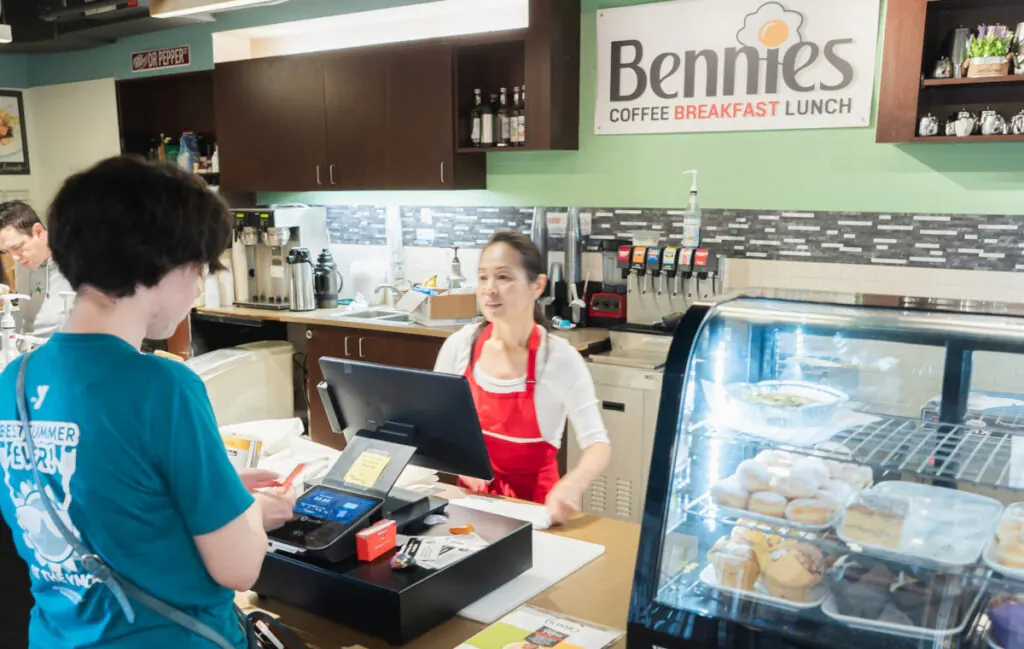
Running a Cafe teaches humility fast. You can spend weeks refining a seasonal menu, train the team on a new service standard, source better beans, adjust your music playlist, repaint the front window, and still hear a customer say, "It took too long to get my flat white." That comment can sting, especially when you know how much effort went into everything behind the scenes. It can also be exactly what you need to hear.
Customer feedback is one of the few tools that shows you your business from the outside. Not the version you see from behind the counter, where every delay has a reason and every decision feels logical. The version guests actually experience, minute by minute, sip by sip. Used well, feedback helps you spot patterns, fix friction, strengthen what people already love, and make smarter decisions with less guesswork.
The important phrase there is "used well." A comment card, a Google review, or a quick remark at the till does not improve a Cafe on its own. Improvement comes from what you do next, how you interpret the signal, what you change, and whether you can tell the difference between one person's preference and a real operational problem.
Start by changing how you think about feedback
Many owners treat feedback as a scorecard. If the comments are positive, things are going well. If the comments are negative, something has gone wrong. That mindset is Cafe too narrow. Feedback is not only a judgment. It is evidence.
A guest who says the pastry case looked empty at 10:30 a.m. Is telling you more than whether they were disappointed. They are giving you information about production timing, display planning, product mix, and customer expectation. A review that mentions "great coffee, but nowhere comfortable to sit with a laptop" says something about furniture, table spacing, Wi-Fi reliability, and possibly the type of trade your space attracts during quieter hours.
The strongest operators treat feedback like field data. They do not obey every comment, and they do not dismiss criticism just because it feels subjective. They ask a more useful question: what does this reveal about the customer experience, and is it showing up often enough to matter?
That shift changes the emotional temperature. Instead of reacting defensively, you become curious. Curiosity leads to better decisions.
The feedback worth paying attention to is rarely limited to reviews
Online reviews matter, of course. They shape reputation and influence first visits. But if reviews are your only source of insight, you are operating with a partial map. Most customers never leave a formal review. Many simply do not come back.
In practice, the richest feedback often comes from small moments. A regular who quietly switches from dine-in to takeaway might be reacting to noise levels or slower table service. A customer who asks whether the banana bread is made in-house may be signaling that your display and labeling are not telling your quality story clearly enough. A queue that forms every day between 8:10 and 8:40 a.m. Is feedback too, even if nobody complains out loud.
You want to gather input from several places at once: direct comments at the counter, online reviews, staff observations, sales data, dwell time, complaints, and repeat visit patterns. A Cafe that sells 30 percent fewer sandwiches after 2 p.m. May not have a food quality problem at all. It may have a display freshness problem, a pricing problem, or simply the wrong assortment for that daypart.
When I have seen feedback systems fail, it is usually because the owner gave too much weight to the loudest source. One viral negative review prompted a full menu rethink in one small business I worked with, when the real issue was far simpler: the kitchen printer had been dropping tickets during the Saturday rush, which caused delays and cold food. The menu was not broken. The process was.
Ask for feedback in ways that customers will actually respond to
Customers are more willing to share opinions than many operators assume, but they need the right prompt, at the right moment, with very little effort required. "Let us know what you think" is too vague. People respond better when you ask about a specific part of their experience.
If someone has just finished lunch, "How was everything?" Tends to produce polite, forgettable answers. A better question might be, "Was the wait for your food about what you expected today?" Or "Did you find the table comfortable enough for a longer stay?" Specific questions lead to useful specifics.
Timing matters just as much. A guest balancing a takeaway cup, wallet, and umbrella is not in the mood for a survey. A regular who has had a calm ten-minute chat with your barista often is. Digital follow-ups can work well for pre-orders, loyalty app users, or catering customers because the conversation can happen after the rush has passed.
Keep the ask light. The more effort required, the less honest and representative the response pool becomes. People with extreme experiences will still answer. Everyone in the middle will disappear, and that middle is where many of your best operational insights live.
Your staff are part of the feedback system, not just recipients of it
Front-of-house teams hear things owners never hear. They notice hesitation at the pastry case. They hear the phrase "I thought this came with salad" before it becomes a review. They can often predict a complaint before it fully forms.
Yet in many Cafes, staff feedback disappears because there is no habit of capturing it. Team members mention a recurring issue in passing, the shift gets busy, and the information evaporates. Over time, that is expensive.
Create a simple routine for collecting what staff observe. This does not need to be elaborate. A shared note, a quick end-of-shift handover, or a short weekly review can be enough. What matters is consistency and clarity. Ask the team what guests commented on, where confusion came up, what sold out too early, what took too long, and what seemed to delight people unexpectedly.
One Cafe owner I know discovered a profitable menu adjustment through barista comments rather than sales reports. Customers kept asking if they could add a half portion of avocado to toast orders that already included eggs. The requests were frequent, but informal, so nobody had logged them. Once the owner noticed the pattern, they redesigned that section of the menu with clearer add-ons and a small price adjustment. Average brunch spend increased without making the menu feel pushy.
Staff insights also help you interpret complaints fairly. If several guests say service felt abrupt on Fridays after school pickup time, your team may be able to explain that the queue is colliding with one staff member's break and a bakery delivery at exactly the wrong moment. That context does not excuse the experience, but it points to the right fix.
Separate patterns from personal preference
This is where judgment matters most. Not every suggestion should become a change.
One customer wants softer music. Another likes the lively atmosphere. One person thinks your filter coffee is too light. Another says it is the best cup in the neighborhood because it is not over-roasted. If you chase every opinion, your Cafe loses shape. The goal is not to please everybody. It is to serve your target customer exceptionally well while removing unnecessary friction for everyone else.
A useful test is frequency plus business impact. If one person says your cinnamon bun is too sweet, that may be preference. If twelve people over three weeks say your pastries look great by 8 a.m. But stale by 1 p.m., that is likely an issue worth addressing. If one review complains that there are no plugs near the window seats, you can note it. If laptop users regularly leave after one drink and mention battery access, and weekday afternoon trade matters to your model, now it becomes strategic.
You also need to account for who is giving the feedback. A loyal regular who visits three times a week may notice subtleties a first-time guest misses. A first-time guest may notice signage confusion your regulars no longer see because they already know how the place works. Both perspectives matter, but they answer different questions.
Look for the operational root, not just the visible symptom
A common mistake is solving the complaint exactly as stated. Sometimes that works. Often it does not.
If customers say service is slow, the real issue might be any of the following: poor queue design, too many custom drink modifications, a bottleneck at payment, unclear role division behind the bar, an oven that is slowing food output, or a menu board that takes too long to read. "Slow service" is the symptom. The improvement comes from finding the source.
The same principle applies across the business. Guests might say your Cafe feels cramped. That could be about table spacing, yes. It could also be about where people wait for takeaway orders, where delivery drivers stand, or where prams get parked. A complaint about noise may actually be a complaint about hard surfaces and poor layout rather than volume alone.
When feedback points to a recurring issue, spend time observing the process in person. Stand where the customer stands. Walk the path from entrance to order point to pickup to seating. Time the queue during peak periods. Watch where people hesitate. Count how many clarifying questions staff must answer in ten minutes. These small observations often reveal more than a stack of survey responses.
Keep a simple system for turning comments into action
Without a system, feedback becomes background noise. The best approach is usually plain and repeatable rather than sophisticated. You do not need an enterprise dashboard to improve a neighborhood Cafe. You need discipline.
Track feedback by theme, not just by source. Group comments under headings such as coffee quality, food freshness, waiting time, friendliness, cleanliness, comfort, noise, temperature, Wi-Fi, menu clarity, and value for money. Over a month, patterns become much easier to see.
Then mark each theme by volume, urgency, and effort to fix. A recurring cleanliness concern in the customer bathroom is high urgency, even if only a handful of comments mention it, because it damages trust quickly. A menu wording issue might be low effort and worth fixing immediately. A seating layout problem may require capital spend and a quieter trading week to implement, so you schedule it rather than improvising.
One practical rule helps here: if a change can be tested cheaply, test it. You do not need certainty to move a pastry label, rewrite a menu description, adjust prep par levels, or change where guests collect cutlery. Trial changes often generate better insight than endless debate.
Some of the best improvements are invisible to customers
Operators sometimes focus on customer-facing changes because they are easier to show. New cups, new signage, a new special. Yet the feedback that matters most often points toward backstage adjustments.
A guest notices their coffee arrives lukewarm. The fix may be a machine setting, a workflow issue, or a mismatch between order sequencing and pickup timing. A customer says the breakfast sandwich tasted different this week. The solution may involve supplier consistency, portioning control, or clearer prep standards. A complaint about "rude service" can sometimes stem from understaffing so severe that even good employees begin sounding clipped.
These are not glamorous improvements, but they are the ones that stabilize quality.
I have seen Cafes get a meaningful lift in customer satisfaction from changes that customers would never identify by name: pre-batching part of the lunch mise en place, tightening the handoff between kitchen and counter, assigning one person solely to manage online orders during the busiest hour, or moving the pastry restock to a less visible time so the front display remains abundant through the late morning. None of that looks exciting on social media. It works.
Respond to feedback publicly with care, and privately with urgency
Online responses are worth doing, but they are not where most improvement happens. Think of them as reputation management, not operational repair.
When replying to public reviews, keep your tone calm and specific. Thank people for the feedback, acknowledge the issue without being defensive, and, where appropriate, explain that you are reviewing it. Avoid canned phrasing. Customers can spot it immediately. "Sorry you had a poor experience" says little. "I am sorry your order took 25 minutes during the lunch rush. We have been reviewing our ticket flow at that time of day" sounds like a business paying attention.
Privately, move faster than you do publicly. If a complaint reveals a safety issue, an allergen communication gap, repeated till errors, or refrigeration concerns, address it the same day. Not every problem can wait for the next team meeting.
There is also value in following up with regulars when you have acted on something they raised. If a customer has mentioned for months that your outdoor benches wobble, and you finally replace them, tell them. People appreciate being heard. It builds loyalty in a way generic marketing rarely does.
Use feedback to sharpen your concept, not dilute it
A good Cafe has a point of view. That might mean specialty coffee with quick weekday service, a bakery-led neighborhood spot, a brunch destination, or a compact takeaway model with limited seating and high volume. Feedback should help you become more clearly what you are trying to be, not pull you in six directions.
If your concept depends on fast turnover, then comments requesting deep armchairs and a co-working atmosphere may not align with your business model. If you are a Cafe destination brunch Cafe, however, comfort and dwell time matter much more. The same comment means different things in different contexts.
This is why strategy must sit beside listening. Without a clear concept, feedback can make you reactive. With a clear concept, feedback becomes a filter. You can ask, does this suggestion help us serve our intended guest better, or does it push us toward a different business entirely?
The answer will save you money. It will also save your team from constant change fatigue.
A few questions are worth revisiting every month
When feedback starts to pile up, owners often ask, "What should I focus on first?" The answer is usually hiding in a handful of recurring questions.
- Where are customers experiencing friction before they get what they came for?
- What do satisfied regulars consistently mention that we should protect?
- Which complaints affect repeat business rather than one-off annoyance?
- What can we test this month without major cost or disruption?
- Are we hearing the same issue across comments, reviews, sales patterns, and staff observations?
Those questions keep the exercise grounded. They stop feedback from turning into vague reflection and make it operational.
Measure whether the change actually worked
A surprising number of businesses collect feedback, make a change, and then never check whether the problem improved. That is effort without learning.
If you adjusted staffing on Saturday mornings because customers said the queue was too long, compare average wait times before and after. If you changed your menu wording because guests seemed confused about what came with each dish, track whether staff receive fewer clarification questions. If you switched pastry production levels based on comments about empty displays, check both late-morning availability and waste.
Not every improvement needs a complex metric. Often a simple before-and-after comparison is enough. The point is to close the loop. Otherwise you risk mistaking activity for progress.
You should also be willing to reverse changes that do not work. Sometimes feedback leads you in the right direction but to the wrong solution. That is normal. Smart operators correct quickly rather than defending a weak idea out of pride.
The Cafes that improve fastest tend to listen in a steady, unspectacular way
There is usually no dramatic breakthrough. Improvement comes from paying attention consistently, acting on the right signals, and staying honest about where the experience falls short.
A Cafe does not need perfect feedback systems to get better. It needs habits. It needs staff who know their observations matter. It needs an owner or manager willing to hear the awkward comment without bristling. It needs enough structure to spot patterns and enough confidence not to chase every opinion.
Most of all, it needs the discipline to see feedback as part of daily operations, not an occasional marketing exercise. The coffee, food, service, seating, cleanliness, sound, speed, pricing, and atmosphere all speak at once. Customer feedback helps you hear which part is out of tune.
When you learn to use it properly, feedback stops feeling like criticism and starts functioning as one of the most practical management tools in the business. That is when your Cafe begins to improve in ways customers can feel, even if they never see the work behind it.
Bennies Cafe
17230 Jackson Creek Pkwy Ste 100, Monument, CO 80132
+1 719-445-0660
FAQ About Cafe
What is considered a café?
A café is generally an informal place to enjoy refreshments and a meal. Bennies Cafe in Monument serves breakfast and lunch in a counter-service setting, with options including eggs Benedict, sandwiches and crepes. Guests can eat in or arrange pickup.
What is the difference between a coffee shop and a café?
The terms often overlap. A coffee shop usually emphasizes coffee and other drinks, while a café may offer a broader food menu. Check the individual establishment's menu rather than relying on its name. Bennies Cafe offers coffee drinks alongside breakfast and lunch dishes.
What is the difference between café and coffee?
In everyday English, a café is a place where people buy food and drinks, while coffee is the beverage. The word café comes from the French word for coffee. Bennies Cafe serves options such as brewed coffee, espresso and lattes as part of its drinks menu.
❧