November 18, 2026
How to Create a Unique Cafe Concept From Scratch
By @messiahbljt691
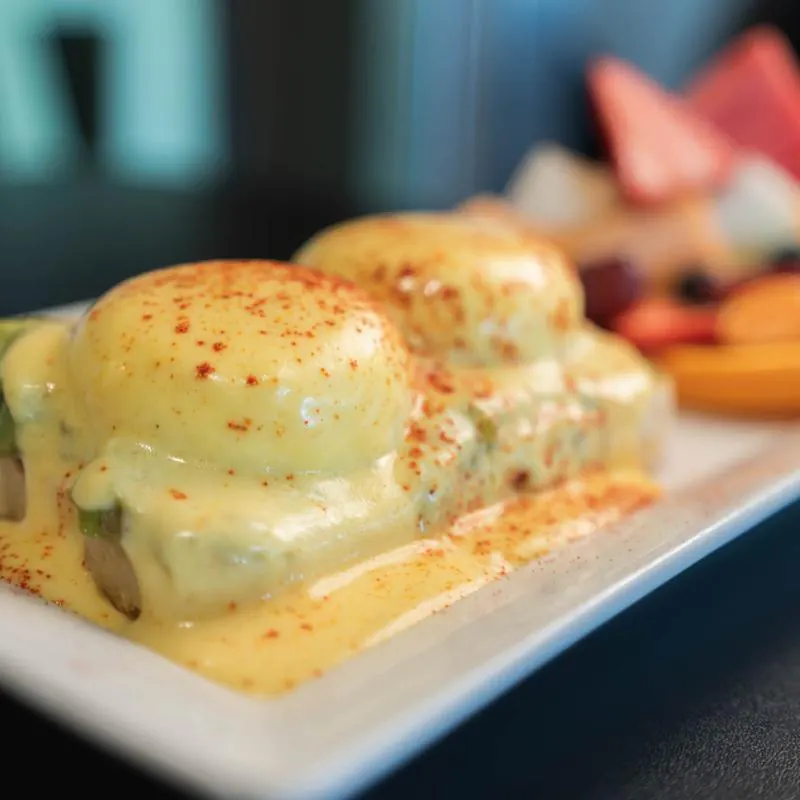
A cafe concept is not a logo, a paint color, or a clever name scribbled into a notebook at midnight. It is a business idea translated into an experience people can recognize, remember, and return to. When it is done well, guests feel the difference before they can fully explain it. The space makes sense. The menu feels intentional. The music, lighting, service style, and pricing all point in the same direction.
Most weak cafe concepts fail for the same reason. They begin with aesthetics and end there. Someone falls in love with terrazzo counters, warm wood, and a Scandinavian font, then builds a place that looks attractive on social media but has no commercial spine. The opposite problem happens too. An operator focuses so hard on rent, food cost, and equipment that the final result functions well but feels generic. A strong concept sits in the middle. It has discipline and personality.
If you are creating a cafe from scratch, the work is less about finding a trendy idea and more about making a series of clear choices. Those choices need to fit your market, your budget, your operational strengths, and the kind of customer you actually want to serve. Distinctiveness matters, but so does practicality. A concept that cannot survive a Monday morning with two staff members and a delivery running late is not a real concept yet.
Start with the gap, not the dream
The best cafe ideas usually emerge from tension. Something is missing in a neighborhood. Existing places underserve a certain group. A local habit has changed, but the market has not caught up. Perhaps commuters have plenty of quick coffee options but nowhere pleasant to sit for 20 minutes. Perhaps families have brunch spots but no weekday all-day cafe where children are genuinely welcome. Perhaps a district full of offices has ten coffee shops and almost none serve food people would happily eat more than once a week.
That gap is your starting point.
This is where many founders become too broad. Saying, "I want to open a cozy cafe for everyone" is not a concept. "I want a cafe built for neighborhood regulars who want excellent morning coffee, a fast lunch, and a room calm enough for one meeting or one chapter of a book" is getting closer. It describes behavior, not fantasy.
I once saw two cafes open within six months of each other on the same street. Both were attractive, both had experienced owners, and both served solid espresso. One failed within a year. The other built a loyal base almost immediately. The difference was not coffee quality. The struggling shop copied a familiar formula and hoped design would carry it. The successful one understood the street. It opened earlier, served breakfast people could eat in eight minutes, kept the room bright rather than moody, and trained staff to move the line fast from 7:30 to 9:30. Same product category, entirely different reading of customer need.
Your concept has to answer a market truth.
Define the person who will miss you when you are closed
A unique cafe does not try to be equally appealing to every possible guest. It chooses a primary customer and builds around that person without alienating others. This does not mean inventing a shallow marketing persona with a first name and favorite app. It means understanding routines, spending habits, timing, expectations, and annoyances.
Ask yourself what daily role your cafe plays. Are you the morning ritual? The remote-work refuge? The lunch reset? The neighborhood living room? The afternoon treat stop? The after-school handoff point for parents? The pre-dinner catch-up place for friends who want something lighter than a full restaurant?
The answer shapes almost everything. A cafe targeting commuters needs speed, clear sightlines, durable packaging, and a menu that can be executed in bursts. A cafe centered on long stays needs thoughtful seating variety, power access, acoustics that do not become punishing, and a revenue model that can survive slower table turns. A cafe for destination seekers can afford more drama in design and more specificity in the menu, but it needs enough novelty or quality to justify the trip.
When founders skip this step, they often create internal contradictions. They say they want laptop workers, then install tiny marble bistro tables and no plugs. They say they want fast turnover, then build a menu that bottlenecks on one toaster oven. They say they want families, then fill the room with delicate furniture and no space for strollers. Distinctive concepts are coherent concepts.
Build the concept around one strong idea
A unique cafe usually has one central idea, not seven. You can layer details later, but the core should be simple enough that a customer can repeat it to a friend in one sentence.
That idea might come from format, product, audience, setting, or cultural point of view. The key is specificity. "Artisanal cafe" says almost nothing now. "Neighborhood bakery cafe built around wood-fired breakfast breads and late-afternoon coffee" says much more. "Minimalist specialty coffee shop with a Japanese kissaten influence" has shape. "All-day cafe designed for solo guests who want comfort without pressure to order constantly" has emotional clarity.
The idea should also create useful constraints. Constraints sharpen decisions. If your concept is rooted in seasonal produce and simple breakfast plates, you probably do not need a sprawling sandwich menu with 28 ingredients. If your concept centers on Turkish coffee, pistachio pastries, and slow hospitality, that may affect cupware, pacing, music, and staff language. A concept is valuable because it tells you what not to do.
A good test is whether your idea can guide a practical disagreement. Imagine you are debating whether to add frappes, whether to stay open until 9 p.m., whether to allow laptops on weekends, or whether to install a large communal table. If the concept does not help you decide, it is too vague.
Let the menu carry the identity
Customers may notice your interiors first, but the menu proves whether the concept is real. This is where many cafes become generic by accident. They start with a focused idea, then gradually add standard items out of fear. A matcha, three flavored lattes, six pastries from a wholesaler, avocado toast, turkey panini, acai bowl, and overnight oats later, the concept has dissolved.
A menu should feel edited. That does not mean tiny. It means purposeful. Every item should earn its place through demand, margin, operational ease, or concept fit. Ideally, more than one of those.
Signature matters here. Most memorable cafes have at least two or three items guests specifically associate with them. These do not need to be flashy. Sometimes the signature is a cardamom bun baked fresh twice a day, a house espresso blend with unusual sweetness, a thick-cut egg sandwich on milk bread, or a seasonal citrus cake that sells out by 2 p.m. The point is not novelty for novelty's sake. The point is having something people would cross the street, or the neighborhood, to get from you and not from the place next door.
Pricing also communicates concept. If your room, service, and product quality say premium but your prices are oddly low, guests may sense inconsistency. If your prices are high without any clear reason in product, service, or environment, you invite skepticism. The market does not demand cheapness. It demands logic.
One practical approach is to develop the menu from your strongest daypart outward. If breakfast is your best opportunity, win breakfast first. Build a compact offer you can execute beautifully, then expand carefully into lunch or afternoon sweets if the demand is there. Too many first-time operators design a menu that belongs to a 100-seat all-day venue while signing a lease for a modest neighborhood cafe with a very real prep kitchen and very limited labor.
Design should serve the business, not just the mood board
Beautiful cafes are not rare anymore. Functional beauty still is.
The design process should begin with traffic flow, counter placement, service rhythm, acoustics, seating mix, and visibility. Guests need to understand the room within seconds. Where do they order? Where do they wait? Where do they collect? Can someone entering see available seats? Can staff read the line before it becomes a problem? Does the pastry case tempt people without slowing down everyone ordering drip coffee?
Then comes the emotional layer. Materials, lighting, sound, smell, branding, uniforms, packaging, and signage should support the concept rather than compete for attention. If you are building a calm, restorative neighborhood cafe, harsh lighting and loud playlists will betray the idea. If you are building a high-energy morning spot, a dim room with slow service choreography may work against you.
A common mistake is copying visual cues from successful cafes in very different markets. What works in a dense urban center with strong foot traffic may underperform in a suburban area where guests arrive by car and stay longer. A room designed mainly for photos can also age quickly. A room designed for comfort and memory tends to last.
Think about surfaces that hide wear, chairs people can actually sit in for 30 minutes, toilet access, stroller maneuvering, winter coat storage, and how natural light changes from 8 a.m. To 4 p.m. Guests may never compliment your operational design choices directly, but they feel them constantly.
Choose an operating model early
Many concept problems are really operating model problems in disguise. Before you settle branding or detailed interiors, be honest about how the business will function. Counter service, hybrid service, and full table service all create very different labor needs, guest expectations, and revenue patterns.
Counter service is usually simpler and leaner, but it can feel transactional unless hospitality is well trained. Hybrid models can work beautifully, especially in all-day cafes, but they require clarity. If guests are unsure whether they order at the till or wait at the table, your concept already has friction. Table service can raise average spend in the right market, particularly if the food offer is stronger, but labor margins tighten quickly and speed often drops if systems are weak.
Your equipment choices must also match the concept honestly. A cafe built around fresh sandwiches, specialty beverages, and in-house pastry finishing needs a very different back-of-house setup than a mostly beverage-led room with light retail. Equipment is expensive, power-hungry, and difficult to fix after opening. Romantic ideas collapse fast when the actual production flow is wrong.
This is also where founders should face their own strengths. If you are excellent at coffee and weak on food operations, a concept dependent on a large brunch menu may not be your smartest entry point. If you come from hospitality but not specialty coffee, a high-volume espresso bar with a demanding enthusiast audience may expose you in ways a broader all-day cafe would not. Ambition matters. Fit matters more.
Make the brand feel lived in
Branding is often mistaken for decoration. In practice, it is the visible expression of your concept and values. The name, voice, typography, packaging, menu language, website photography, social presence, and signage should all belong to the same world.
Strong cafe brands usually feel specific without feeling overworked. They do not shout their story at every turn. They reveal it through consistency. A place built around local morning routines should not sound like an imported luxury label. A cafe rooted in craft should not use generic stock photography and vague slogans about quality. People are quick to notice when the brand voice promises intimacy or authenticity that the actual room does not deliver.
Names deserve more rigor than most people give them. A good name needs to be memorable, pronounceable, searchable, and emotionally aligned with the concept. It also helps if the name can age with the business. Something too cute can become limiting once you open a second site or expand into retail products. Something too abstract can require expensive explanation forever.
One of the best brand tests is to print a takeaway cup, a loyalty card, a pastry bag, and a menu board mockup. If the identity only works on Instagram but looks flat in the physical world, it is not ready.
Validate the idea before you sign too much paper
Concept work can feel exciting because it lives in imagination. Validation drags it into reality, which is exactly why it matters. You do not need a perfect forecast, but you do need evidence that your idea resonates with actual paying customers.
Here are five useful ways to test a cafe concept before full launch:
- Run a short pop-up in a borrowed space and watch what people buy twice.
- Sell a focused version of your menu at a market and note bottlenecks, questions, and price resistance.
- Spend several mornings counting foot traffic and competitor queues at your target location.
- Invite people from your target audience to react to menu, pricing, and branding drafts, then ask what feels unclear.
- Model the business at conservative sales levels, not dream numbers, and see if the concept still survives.
The strongest insight from early testing is usually behavioral, not verbal. Customers often say they want one thing and buy another. They say they want healthy options, then queue for the cinnamon roll. They say they like adventurous drinks, then reorder the flat white. Watch what happens when money and time are involved. That is where concept truth lives.
Your uniqueness should be operationally sustainable
There is a dangerous type of originality that looks brilliant in a pitch deck and miserable in service. Handmade everything, hyper-customized drinks, plated desserts requiring tweezers, niche ingredients from three small suppliers, a menu changing every day, furniture that scratches if you look at it too hard. It may all sound special. It may also crush labor, consistency, and staff morale.
The most durable cafe concepts usually create distinction with a few high-impact moves that are manageable every day. That might mean one remarkable bake program, a strong point of view on hospitality, a beautiful and functional room, a disciplined beverage offer, or an under-served cultural food tradition presented with care and confidence.
Trade-offs are part of the job. If you want a highly crafted food offer, you may need a smaller drink menu. If you want very fast service, you may need fewer customization options. If you want late hours, you may need a concept that evolves from day to evening instead of pretending one atmosphere fits all. Mature operators make these decisions early. Inexperienced ones keep adding until the whole thing becomes heavy.
Staff capability belongs in this conversation too. Your concept is only as repeatable as the team can deliver. If every shift depends on one brilliant founder tasting espresso shots, plating pastries, and charming the room, you do not yet have a scalable cafe concept. You have a personality-driven pilot.
Location can refine the concept or ruin it
People often ask whether concept or location matters more. In practice, they are inseparable. A strong concept in the wrong location can stall. An average concept in an excellent Cafe location can survive longer than it deserves. The real opportunity is matching the two.
Rent is only one part of the equation. Visibility, access, nearby anchors, neighboring businesses, daypart traffic, parking, residential density, office patterns, and local habits all shape what kind of cafe has a chance to thrive. A destination dessert cafe may work on a side street if it is truly special. A commuter-led coffee shop probably needs exposure and convenience. A community-focused neighborhood cafe may benefit more from being woven into daily life than from sitting on the most expensive retail corner.
Walk the area repeatedly. Morning, lunch, late afternoon, rainy day, sunny day, weekday, weekend. Listen. Watch who carries takeaway cups already, who lingers, who moves quickly, where parents stop, where dogs gather, where office workers break. A concept should feel like it belongs in its environment, even when it adds something new.
Plan the opening version, not the fantasy version
A first opening does not need to reveal the final form of the business. In fact, many of the smartest cafe launches begin with a narrower, sharper version of the concept and expand only after real demand appears. This protects cash, training quality, and customer clarity.
Think about what must be true on day one for the concept to be recognizable and compelling. Maybe that is outstanding coffee, six excellent bakes, and a room people want to return to. Maybe it is breakfast done fast and well. Maybe it is a cultural specialty executed with authority and warmth. Start there.
As you prepare for launch, keep your attention on these priorities:
- Train staff to deliver the intended pace and tone, not just recipes.
- Make the menu smaller than your instincts want, then execute it cleanly.
- Build ordering, pickup, and seating flow for your busiest 30 minutes of the day.
- Track early sales by item, hour, and channel so the concept can evolve from facts.
- Protect your signatures, because those are what customers will talk about first.
Opening season reveals the difference between the concept in your head and the one customers actually perceive. Listen carefully. If guests keep misunderstanding your offer, the problem may be communication. If they understand it but do not buy, the problem may be the concept itself. Not every adjustment is a betrayal. Often it is the work required to make the original idea real.
What originality actually looks like in a cafe
Founders sometimes imagine uniqueness as spectacle. Neon slogans, theatrical drinks, a wildly themed interior, a menu filled with surprises. Those can work, but they are not the only route, and often not the best one. Real originality in a cafe is often quieter. It is a better read on the neighborhood. A more disciplined menu. A more coherent atmosphere. A stronger ritual. A more generous service style. A sharper sense of who the place is for.
The cafes people love most are rarely trying to impress at every angle. They are trying to be unmistakably themselves. They know what they do well and repeat it with conviction. They leave out what does not belong. They respect the customer's time, attention, and appetite. They understand that hospitality is not separate from concept. It is how the concept becomes believable.
If you are creating a cafe from scratch, resist the urge to chase what is merely different. Aim for what is specific, useful, memorable, and workable. The concept should make life a little better for a certain group of people in a certain place, and it should do so day after day without needing to explain itself too much.
That is what gives a cafe staying power. Not trendiness. Not decoration. Not noise. A clear idea, translated faithfully into product, space, service, and routine. When all of those line up, uniqueness stops being a marketing claim and becomes something customers can feel the moment they walk in.
Bennies Cafe
17230 Jackson Creek Pkwy Ste 100, Monument, CO 80132
+1 719-445-0660
FAQ About Cafe
What is considered a café?
A café is generally an informal place to enjoy refreshments and a meal. Bennies Cafe in Monument serves breakfast and lunch in a counter-service setting, with options including eggs Benedict, sandwiches and crepes. Guests can eat in or arrange pickup.
What is the difference between a coffee shop and a café?
The terms often overlap. A coffee shop usually emphasizes coffee and other drinks, while a café may offer a broader food menu. Check the individual establishment's menu rather than relying on its name. Bennies Cafe offers coffee drinks alongside breakfast and lunch dishes.
What is the difference between café and coffee?
In everyday English, a café is a place where people buy food and drinks, while coffee is the beverage. The word café comes from the French word for coffee. Bennies Cafe serves options such as brewed coffee, espresso and lattes as part of its drinks menu.
❧